Pain procedure guides
When pain has not improved enough with exercise, therapy, and medicines, one of these treatments may be offered. Each guide explains how it works, what to expect, the risks, and what the research shows, in plain language with sources.
- 8 guidesInjections, ablations, stimulators, and VR
- Evidence-basedEvery number is linked to its source
- PrintableBring your copy to your visit
- IndependentNot sponsored by any manufacturer
Choose a guide
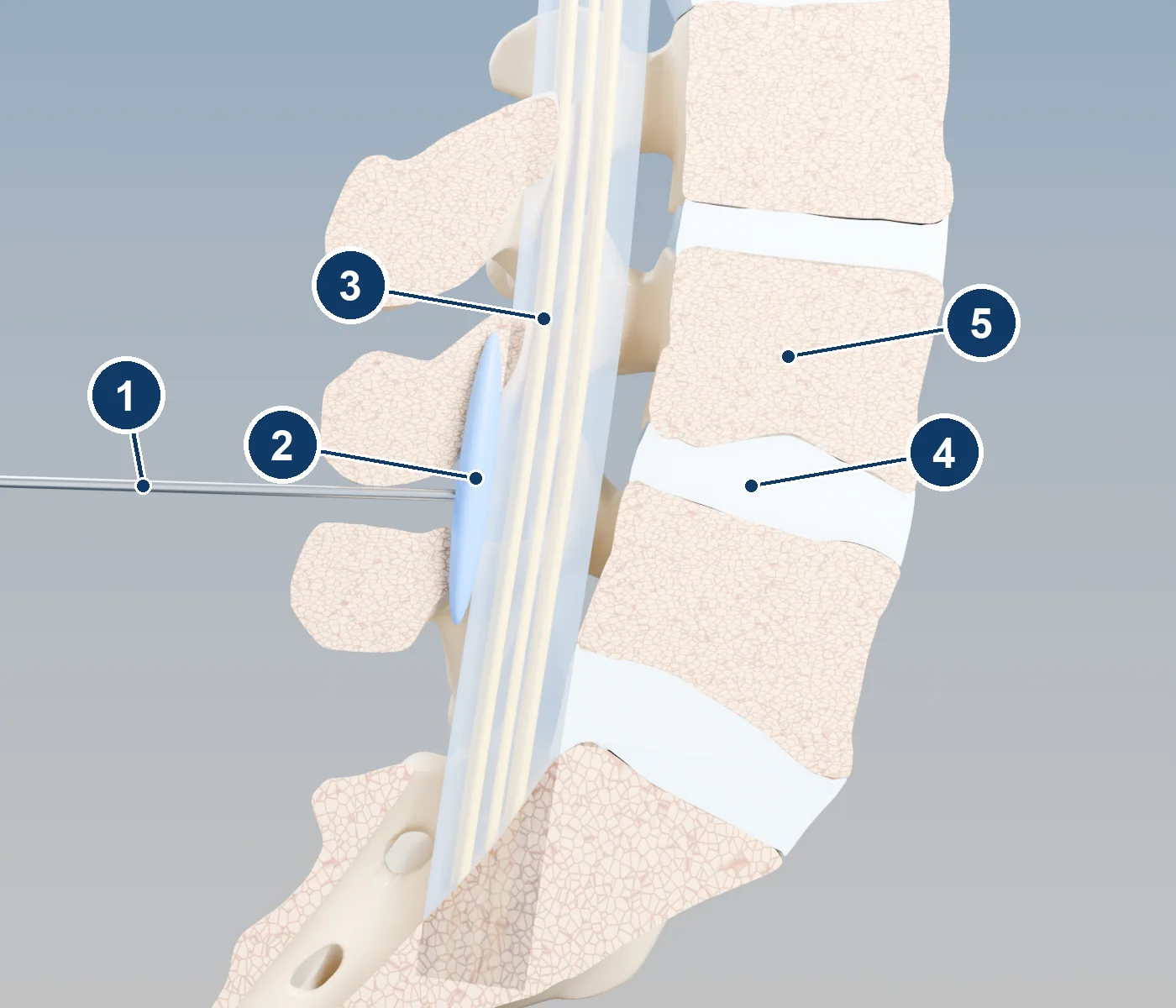 Lumbar epidural steroid injectionFor sciatica: leg pain from an irritated nerve root in the low back.
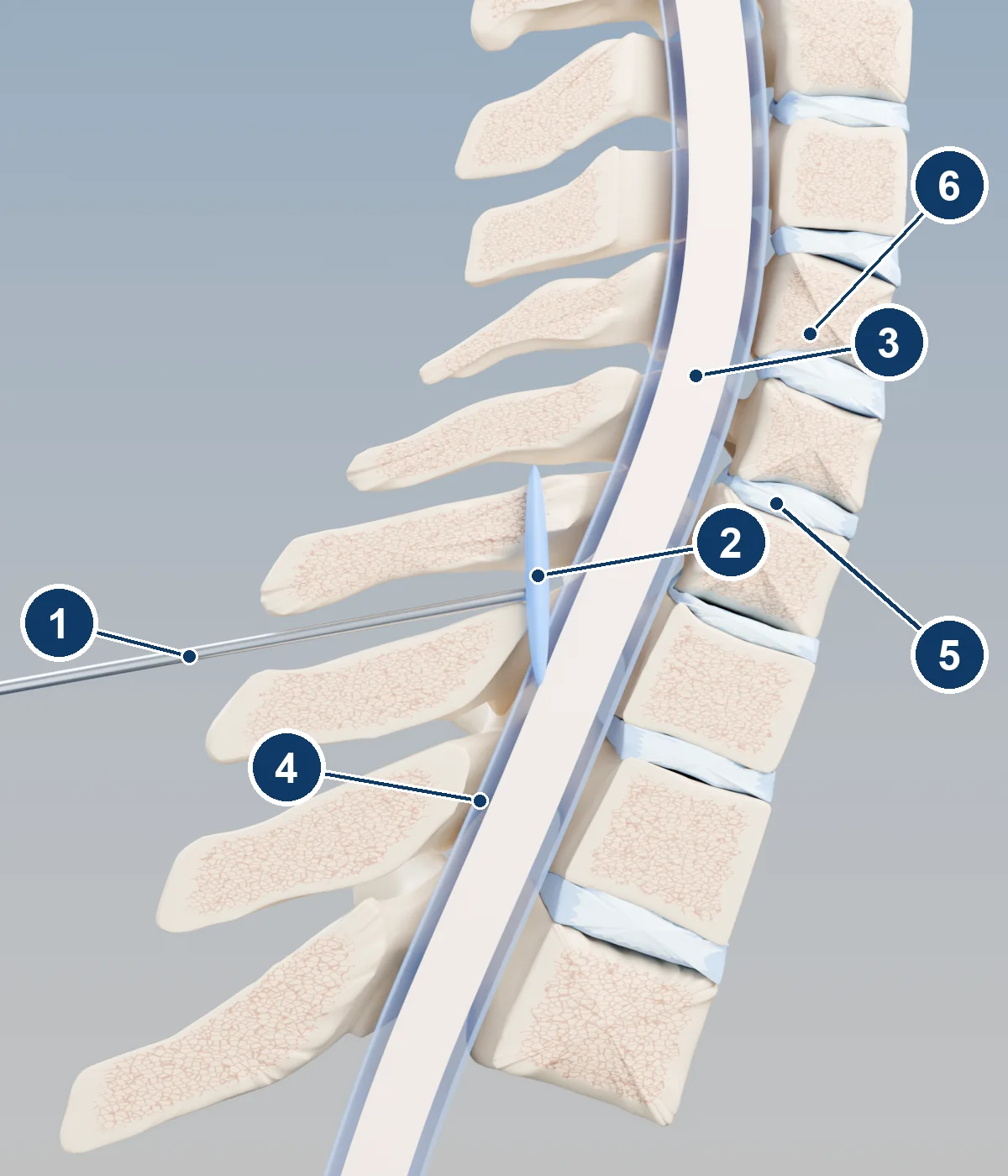 Cervical epidural steroid injectionFor arm pain from a pinched nerve in the neck.
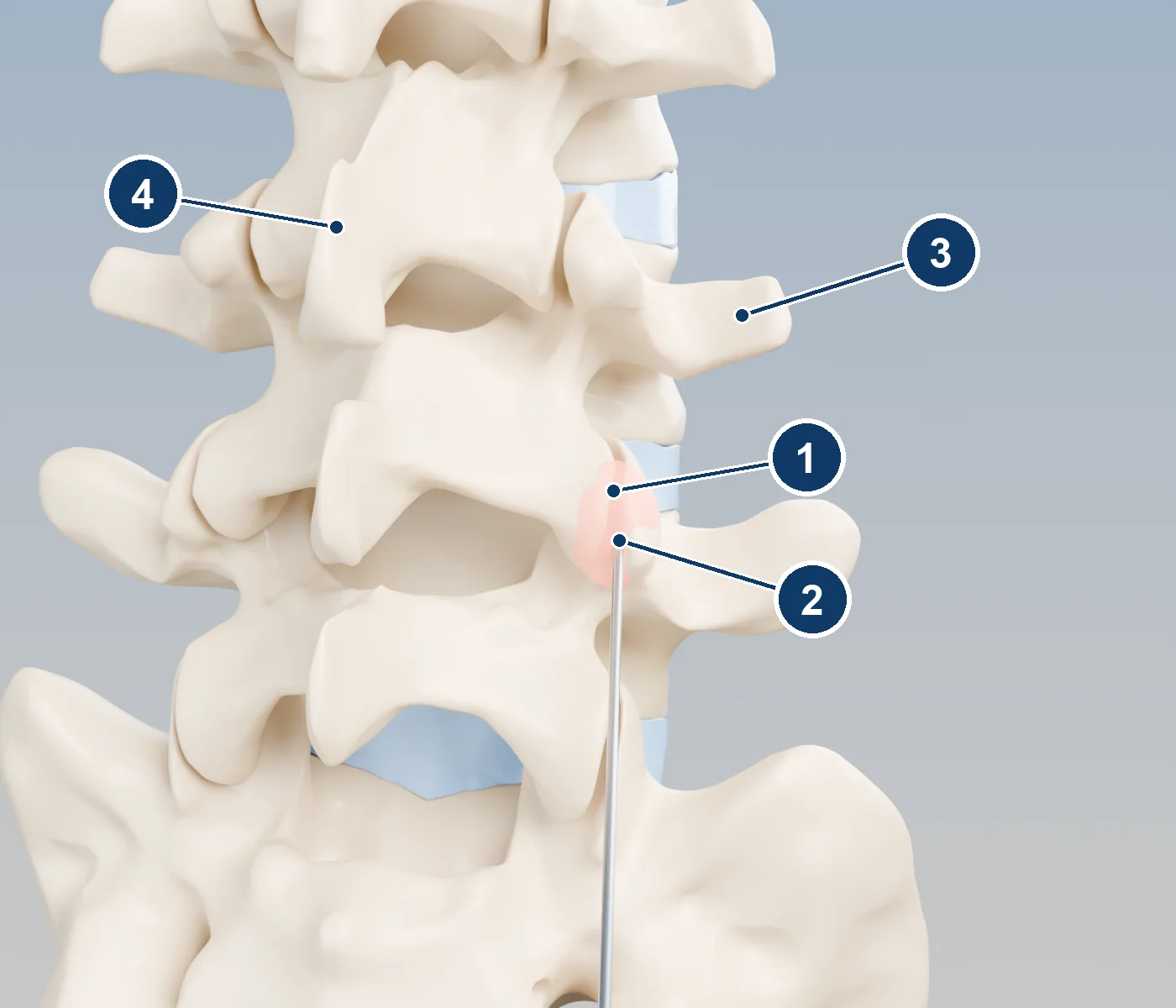 Facet joint injectionTesting and treating the small joints at the back of the spine.
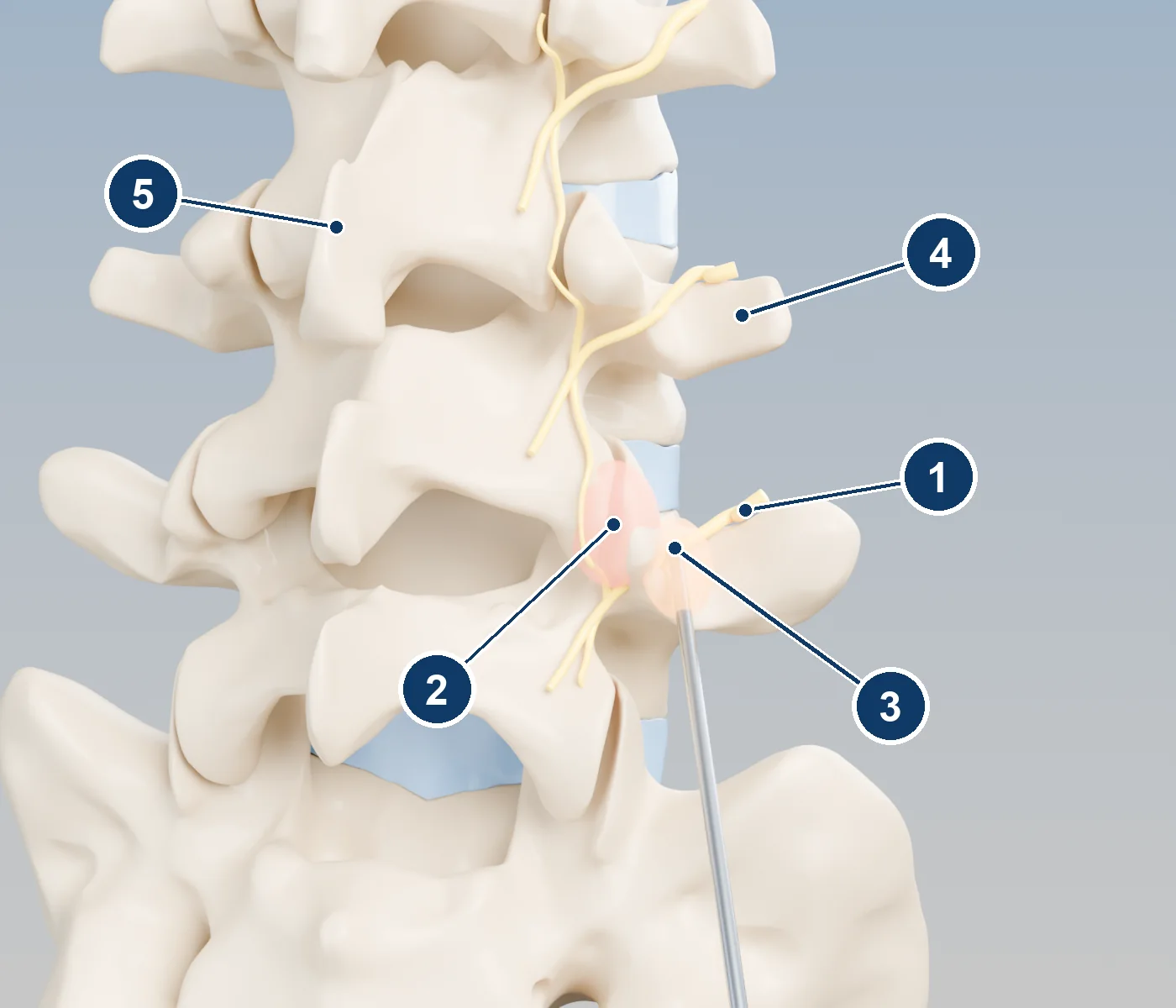 Medial branch radiofrequency ablationMonths of relief by quieting the nerves to painful facet joints.
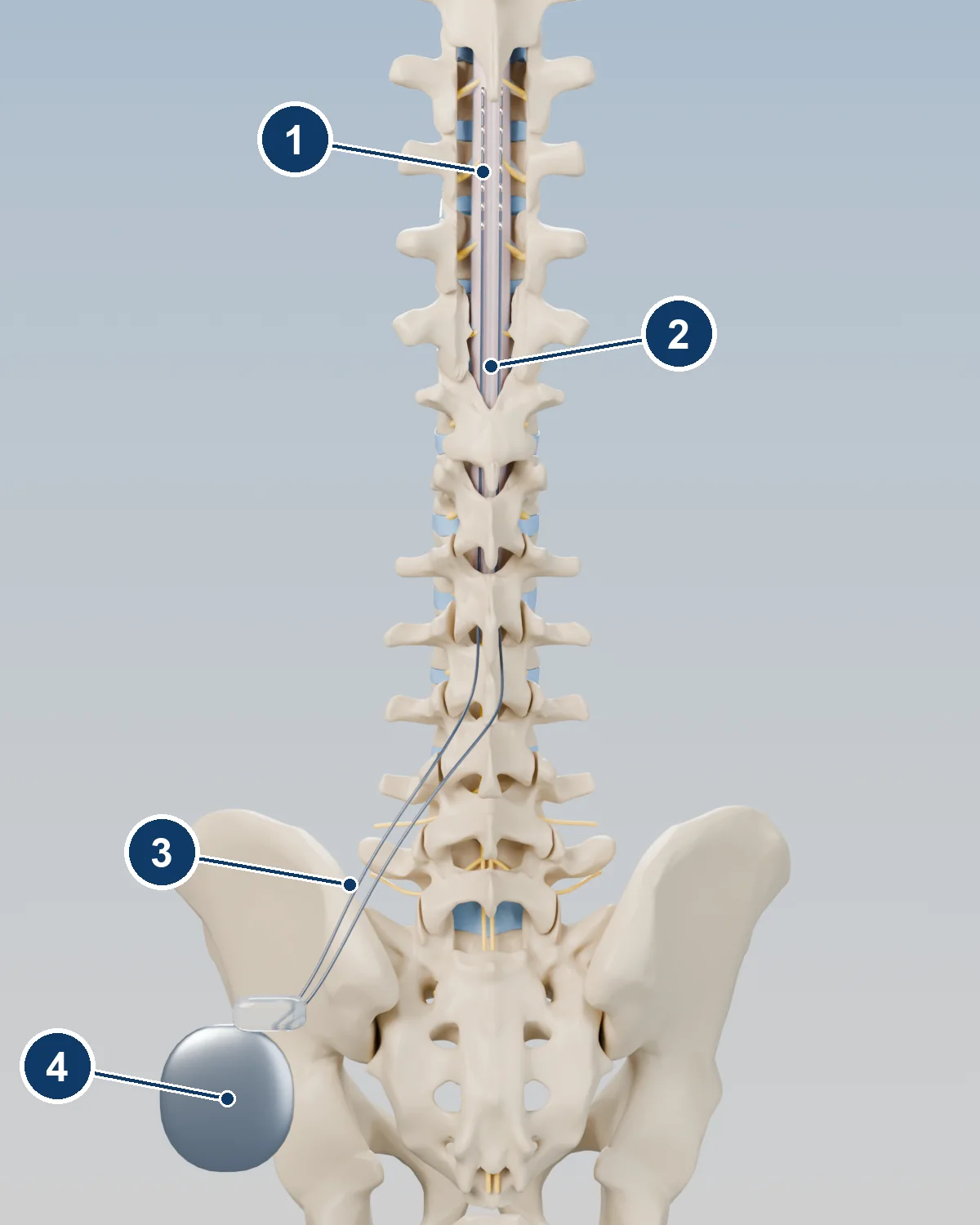 Spinal cord stimulator trialA week-long test of stimulation over the spinal cord for nerve-type back and leg pain, CRPS, or diabetic nerve pain.
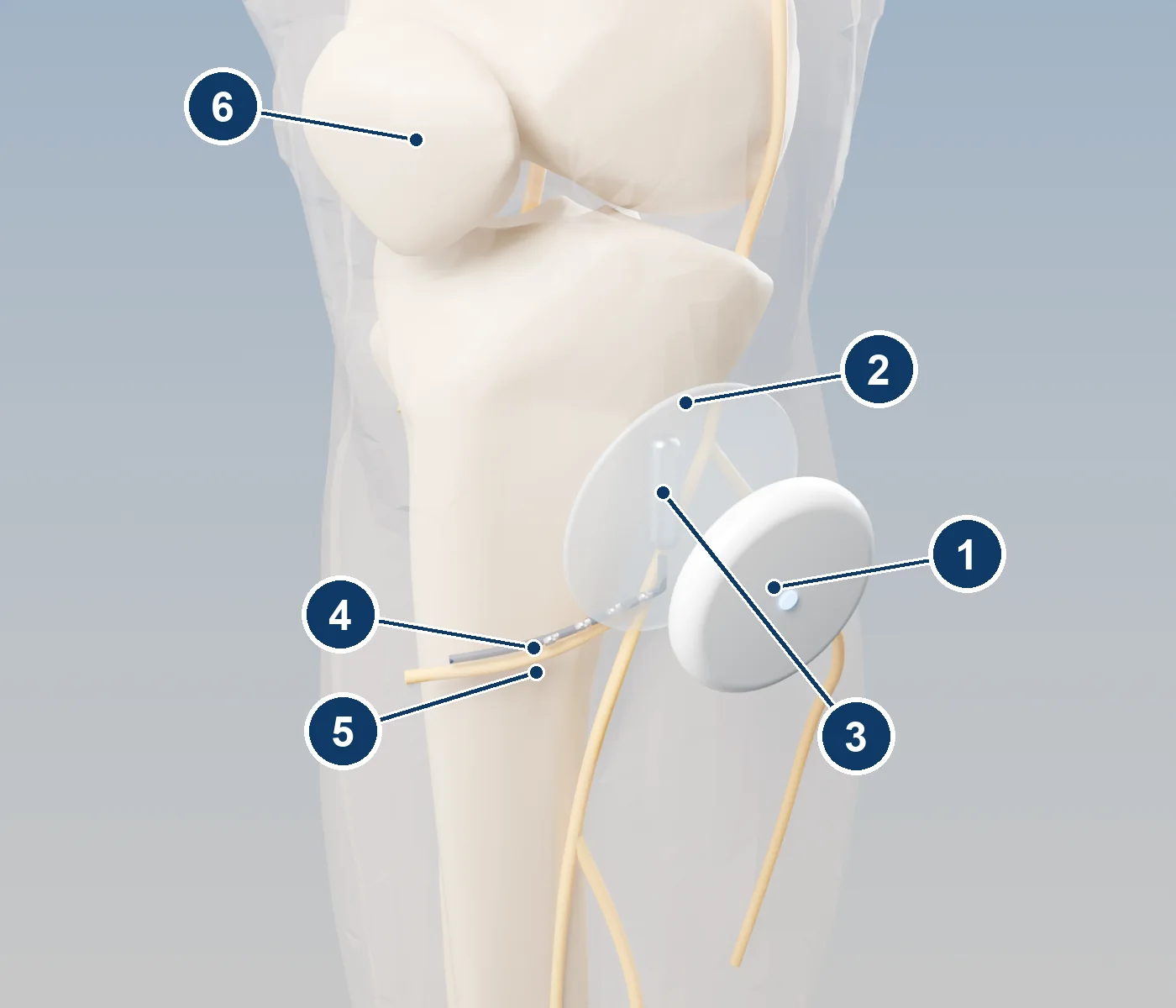 Peripheral nerve stimulationA thin lead beside one painful nerve, such as in the shoulder, knee, foot, or low back. Some systems are powered by a wearable disc.
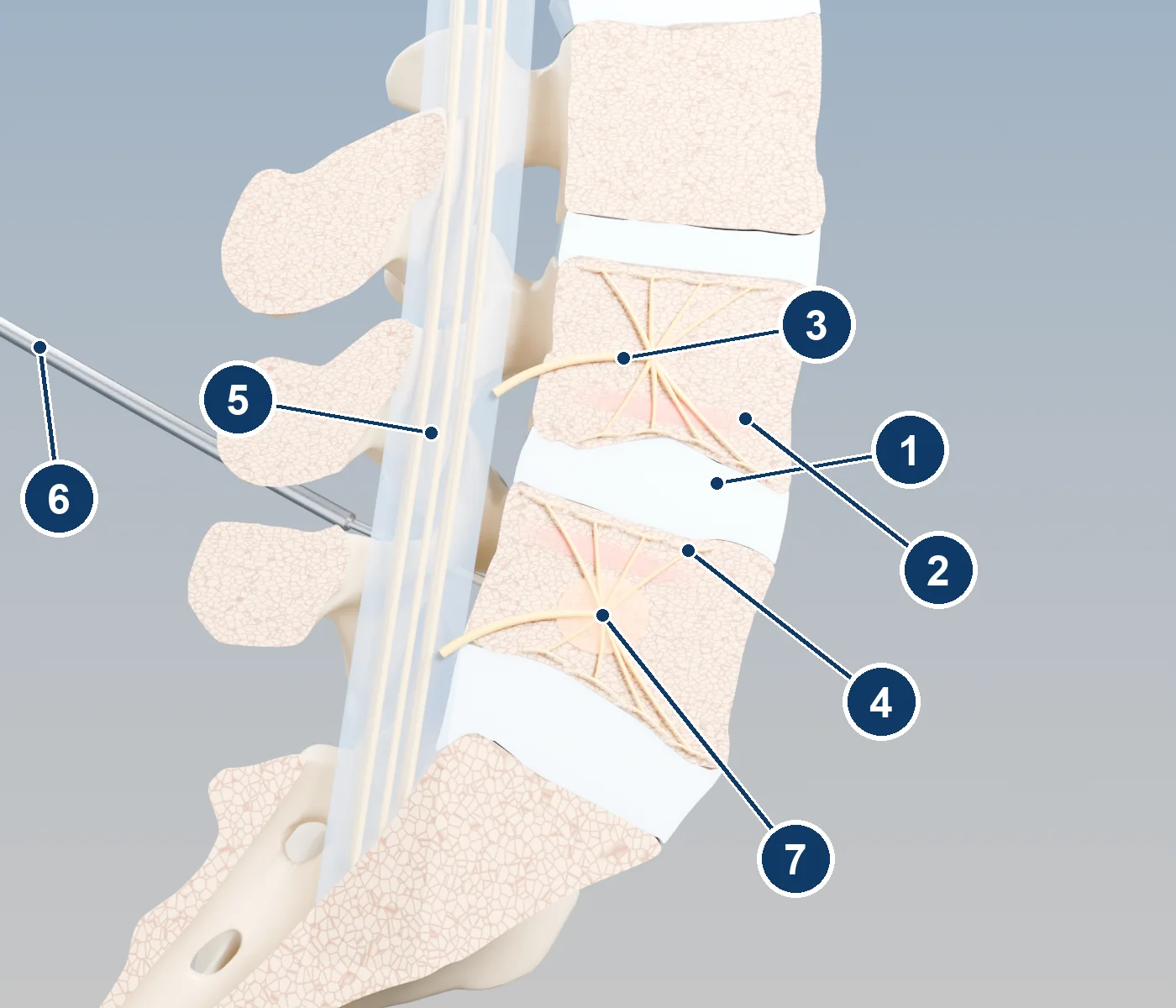 Basivertebral nerve ablationA one-time, implant-free procedure for chronic central low back pain with Modic changes on MRI.
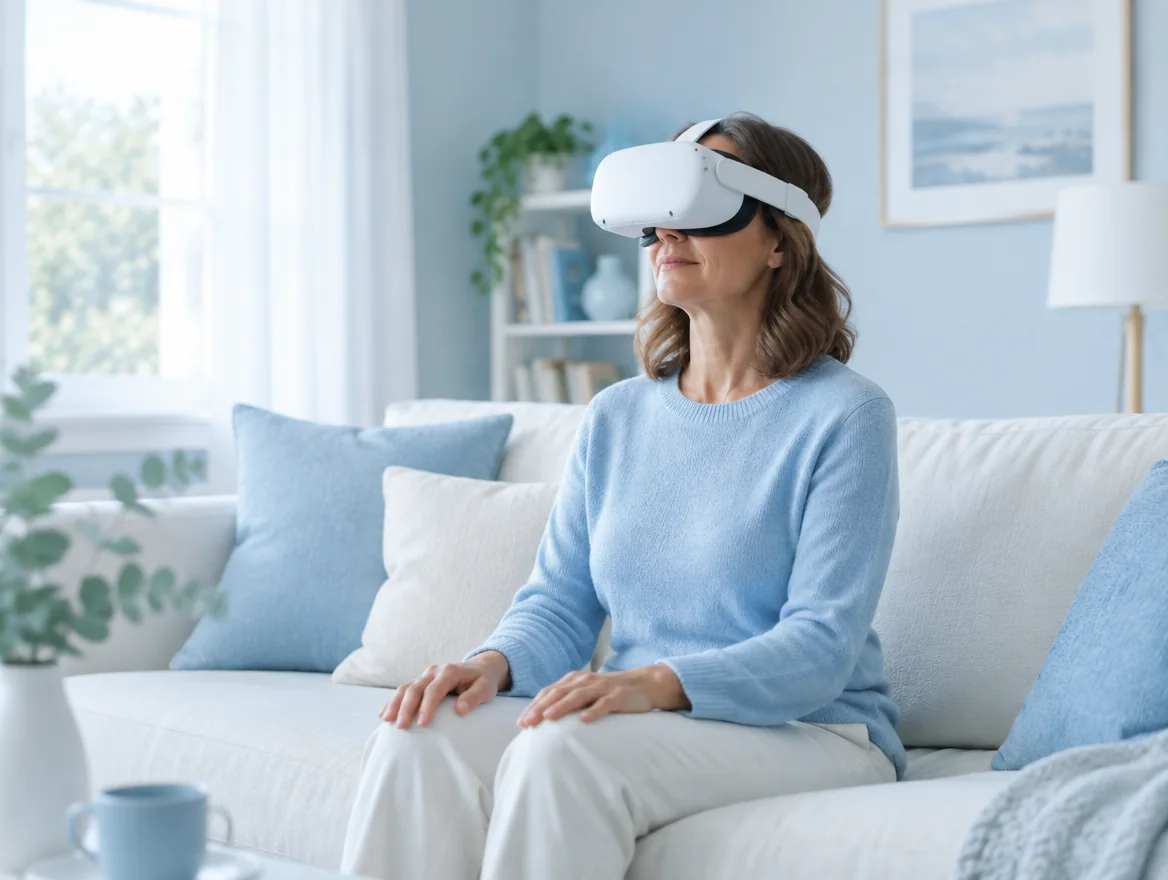 Virtual reality therapyAn FDA-authorized, at-home, 8-week VR program that teaches pain-coping skills for chronic low back pain.
Scan to open a guide on your phone
Point your phone camera at a code and the guide opens. Each short address also works if you type it. Every guide shows its own code at the top of the page.
 Lumbar epidural steroid injectionraduphysiatry.com/lesi
 Cervical epidural steroid injectionraduphysiatry.com/cesi
 Facet joint injectionraduphysiatry.com/facet
 Medial branch radiofrequency ablationraduphysiatry.com/rfa
 Spinal cord stimulator trialraduphysiatry.com/scs
 Peripheral nerve stimulationraduphysiatry.com/pns
 Basivertebral nerve ablationraduphysiatry.com/bvn
 Virtual reality therapyraduphysiatry.com/vr
 All procedure guidesraduphysiatry.com/guides
Comparing the stimulator and ablation options
| Spinal cord stimulation | Peripheral nerve stimulation | Basivertebral nerve ablation | |
|---|---|---|---|
| What it targets | The back of the spinal cord, which covers wider regions such as the back and legs | One peripheral nerve or one painful area | The nerve inside a vertebra that carries endplate pain |
| Typical pain type | Nerve pain in the back or legs, pain after spine surgery, CRPS, diabetic neuropathy | Focused nerve pain in the shoulder, knee, foot and ankle, low back, and other areas | Central low back pain with Modic changes on MRI |
| Trial first? | Yes, 5 days | Yes, days to weeks | No. The diagnosis rests on symptoms plus MRI. |
| Anything left in the body? | Yes: leads and a generator | Yes: a lead plus a tiny receiver or battery (temporary systems are removed) | No |
| Recovery | About 6–8 weeks of bending and lifting limits after the permanent implant | Usually short. Limits depend on the site. | Soreness for days, up to about 2 weeks |
| Can it be undone? | Yes, the device can be removed | Yes, the device can be removed | It is a one-time nerve treatment |
This table is a simplified overview. Which option fits you, if any, depends on your diagnosis, exam, imaging, and goals.
The foundation comes first
None of these procedures replaces the basics. They work best as one part of a plan that includes regular exercise and physical therapy, good sleep, a healthy weight and diet, and managing stress and mood. A procedure can lower pain enough to make that work possible. It is the ongoing work that keeps you moving.
About this page. This guide is general education written for patients. It does not replace advice from your own doctor, and results differ from person to person. Numbers quoted come from the published studies listed in the references; many large device studies are funded by the companies that make the devices, which we note where it applies.
Brand names that appear here are trademarks of their owners. This page is independent: it was not produced, paid for, or reviewed by any device manufacturer.
3D illustrations were rendered for this site from the open anatomy models of Z-Anatomy and BodyParts3D (© The Database Center for Life Science, CC BY-SA 2.1 JP; Z-Anatomy, CC BY-SA 4.0). Device hardware is a generic representation, not any specific product. The illustrations are shared under CC BY-SA 4.0.
Last reviewed: September 2026. If you have urgent symptoms, call your care team or 911.